Looking On The Bright Side of
 Commercial roof repair service
A commercial roof is a significant investment for any business, providing protection for your property, employees, and assets. Over time, however, wear and tear can lead to leaks, structural issues, and other problems that require prompt attention. Professional commercial roof repair offers numerous benefits that can enhance the longevity and performance of your roofing system. Here are some key advantages to consider.
1. Expert Assessment and Diagnosis
One of the primary benefits of hiring professionals for roof repair is their ability to conduct a thorough assessment. Experienced roofing contractors can identify underlying issues that may not be immediately visible. Their expertise allows them to diagnose problems correctly and recommend appropriate repair solutions. This level of assessment ensures that all potential issues are addressed, preventing future complications that could arise from inadequate repairs.
2. Quality Workmanship
Professional roofers have the skills and experience necessary to perform high-quality repairs. They are trained in the latest roofing techniques and have access to advanced tools and materials. This ensures that repairs are done correctly the first time, reducing the likelihood of recurring issues. Additionally, many professional roofing companies offer warranties on their work, providing peace of mind that the repairs will stand the test of time.
3. Cost-Effectiveness
While some business owners may consider DIY repairs to save money, this approach can often lead to higher costs in the long run. Without the expertise of a professional, repairs may be improperly executed, leading to more significant damage that requires extensive work. By investing in professional repair services, businesses can prevent costly future repairs and extend the lifespan of their roofing system. Moreover, routine maintenance by professionals can identify minor issues before they escalate, further saving costs.
4. Safety Considerations
Roof repairs can be dangerous, especially for those without proper training and equipment. Professionals are equipped with safety gear and have the knowledge to work at heights without putting themselves at risk. Hiring a professional mitigates the dangers associated with roof repairs, protecting not only the workers but also the occupants of the building below.
5. Timely Repairs
In the fast-paced business environment, time is of the essence. Professional roof repair services can quickly and efficiently address issues, minimizing downtime for your operations. Experienced roofers understand the urgency of roof problems and are equipped to handle repairs promptly, allowing businesses to return to normal operations as soon as possible.
6. Improved Energy Efficiency
A well-maintained roof can significantly enhance a building’s energy efficiency. Professional repair services can address issues like leaks and insulation problems that may lead to energy loss. By ensuring that the roof is in optimal condition, businesses can reduce their energy bills, leading to long-term savings.
7. Regulatory Compliance
Commercial roofs must comply with various building codes and regulations. Professional roofers are knowledgeable about these requirements and ensure that all repairs meet the necessary standards. This compliance not only protects the business from potential legal issues but also enhances the overall safety and durability of the building.
Conclusion
Investing in professional commercial roof repair is a wise decision for any business owner. The benefits include expert assessments, quality workmanship, cost savings, safety, timely service, improved energy efficiency, and regulatory compliance. By prioritizing roof maintenance and repairs, businesses can protect their investment and ensure a safe and productive environment for their employees and customers.
News For This Month:
E-commerce ai pricing intelligence software
In today’s highly competitive e-commerce landscape, pricing strategy is one of the most critical factors influencing consumer purchasing decisions. With the growth of online shopping, customers now have easy access to a wide variety of products and prices, making it more challenging for e-commerce businesses to stand out. This is where AI-powered pricing intelligence software comes into play. This advanced technology helps online retailers optimize their pricing strategies, stay competitive, and maximize profits by leveraging real-time data and machine learning algorithms.
In this article, we will explore what e-commerce AI pricing intelligence software is, how it works, and the benefits it offers for online retailers.
What Is E-commerce AI Pricing Intelligence Software?
E-commerce AI pricing intelligence software is a tool that uses artificial intelligence, machine learning, and data analytics to help retailers make informed pricing decisions. It collects and analyzes vast amounts of data from various sources, including competitors’ prices, market trends, customer demand, and product availability. This data is then processed to provide insights and recommendations for adjusting prices in real-time.
The software helps e-commerce businesses stay ahead by monitoring price fluctuations in the market and automatically adjusting their pricing to remain competitive while maximizing profitability. It can be used to set dynamic pricing, identify optimal price points, track competitors, and forecast pricing trends.
How Does AI Pricing Intelligence Software Work?
AI pricing intelligence software relies on several key components to deliver accurate and actionable insights for retailers. Here’s how it typically works:
Data Collection: The software collects data from a variety of sources, including competitor websites, third-party marketplaces, and historical sales data. This data can include product prices, promotions, stock levels, customer reviews, and more. The AI continuously scans and updates this information to ensure the data is accurate and up to date.
Data Analysis: Once the data is collected, the AI-powered algorithms analyze it to identify patterns and trends. This includes studying competitors’ pricing strategies, demand fluctuations, and changes in consumer behavior. The software can identify which products are selling well, at what price points, and when adjustments are necessary to stay competitive.
Price Optimization: Based on the analysis, the software provides pricing recommendations that align with the retailer’s goals, such as maximizing profit margins, increasing sales volume, or maintaining market share. AI pricing software can offer dynamic pricing strategies, adjusting prices in real-time based on current market conditions.
Automation and Integration: Many AI pricing intelligence tools can be integrated directly into an e-commerce platform, allowing prices to be automatically adjusted in response to market changes. This eliminates the need for manual price updates and enables the retailer to respond swiftly to competitor actions.
Reporting and Forecasting: In addition to real-time price adjustments, the software generates detailed reports that provide insights into the performance of pricing strategies over time. It also offers forecasting capabilities, predicting how changes in market trends or customer demand might impact future sales.
Benefits of E-commerce AI Pricing Intelligence Software
AI-powered pricing intelligence software offers several benefits for online retailers, helping them maintain a competitive edge and improve their overall profitability. Here are some of the key advantages:
Real-Time Competitive Pricing: One of the biggest advantages of AI pricing intelligence software is its ability to monitor competitors’ prices in real-time. The software scans the web and identifies competitors’ pricing strategies, promotions, and stock levels. This enables retailers to respond quickly by adjusting their prices accordingly, ensuring they stay competitive without sacrificing profits.
Dynamic Pricing: Dynamic pricing is the practice of changing prices based on real-time market conditions, such as supply and demand. AI pricing software allows e-commerce businesses to implement dynamic pricing strategies by adjusting prices automatically based on factors like competitor pricing, sales trends, and customer behavior. This helps maximize revenue during peak demand and increase sales during slower periods.
Why not learn more about ?
Mastering Vehicle Repossession Services in Illinois
Navigating the complexities of vehicle repossession can be challenging, especially for borrowers who may feel overwhelmed during the process. Understanding vehicle repossession services in Illinois allows you to comprehend what to expect, your rights, and the steps involved, whether you are a lender or a borrower.
Understanding Vehicle Repossession
Vehicle repossession occurs when a lender takes back possession of a vehicle due to the borrower’s failure to meet the agreed-upon payment terms. In Illinois, lenders must adhere to specific regulations outlined in state laws to ensure the repossession process is conducted fairly and legally. Most commonly, repossession takes place when a borrower is significantly overdue on their payments or has violated other terms of the loan agreement.
Factors Leading to Repossession
Several factors may lead to vehicle repossession. Falling behind on monthly payments is the most obvious reason. However, lenders also have the right to repossess if you fail to maintain adequate insurance on the vehicle or if you misrepresent information during the loan application process. It is crucial to stay informed about these factors to avoid potential repossession.
The Repossession Process
When a lender decides to initiate repossession, they typically follow a structured process. Initially, the lender will send several notices reminding you of your overdue payments. After a specified grace period, they may schedule the repossession. In Illinois, a lender doesn’t require a court order to repossess a vehicle, but they must follow certain guidelines.
Once a repossession occurs, the lender will often notify you through a repossession notice, providing details on how you may reclaim your vehicle. It is essential to understand that you may regain possession of the vehicle by paying off the overdue amount, including any fees associated with the repossession.
Your Rights During Repossession
As a borrower, you have rights during the repossession process. Illinois law protects you from breach of peace during repossession. This means that repossession agents cannot use force, threats, or intimidation to take your vehicle. If a repossession agent encounters resistance, they must retreat. If you feel that your rights have been violated during the process, you have the option to pursue legal action against the lender.
Reclaiming Your Vehicle
If your vehicle has been repossessed, regaining possession depends on various factors, including the loan agreement and state laws. Typically, you will need to pay the total amount owed on the loan, including any late fees, repossession fees, and storage charges. Understanding the timeline of these payments is vital, as lenders often provide a limited window for you to reclaim the vehicle before they sell it at auction.
It is advisable to communicate with your lender once repossession occurs. They can provide clear instructions on the steps you need to take to reclaim your vehicle. Maintaining open communication may also lead to negotiation opportunities, particularly if you can demonstrate your intent to catch up on payments.
The Impact of Repossession on Credit
Vehicle repossession has serious implications for your credit score. A repossession can significantly lower your credit score, making it challenging to obtain loans or credit cards in the future. The repossession will remain on your credit history for several years, affecting your ability to secure financing for various needs.
To mitigate the negative impact on your credit, it’s beneficial to work out a repayment plan with your lender before reaching the point of repossession. If you are struggling financially, consider reaching out to credit counseling services that can offer advice and solutions tailored to your situation.
Preventing Repossession
Taking proactive measures can help you avoid repossession altogether. It is crucial to understand the terms of your loan and keep a close watch on your payment schedule. If you anticipate having difficulties in making a payment, reach out to your lender as soon as possible. Many lenders are willing to negotiate payment plans or defer payments during challenging financial times.
Additionally, consider creating a budget that prioritizes essential expenses, ensuring that your vehicle payments remain manageable. By making timely payments and openly communicating with your lender, you minimize the risk of repossession and maintain control of your financial situation.
Conclusion
Vehicle repossession services play a significant role in the dynamic between lenders and borrowers in Illinois. Understanding the implications of repossession, your rights, and the overall process can empower you to navigate this complex situation effectively. By taking proactive steps to manage payments and seeking assistance when needed, you can work to prevent repossession and maintain financial stability.
What You Should Know About This Year

Vero Beach, with its subtropical climate and stunning natural beauty, is the perfect setting for a landscape design that showcases the best of the outdoors. Whether you’re looking to create a tranquil retreat, a vibrant entertainment space, or a functional outdoor living area, a well-designed landscape can elevate your property and enhance your quality of life. In this article, we’ll explore the art of landscape design in Vero Beach, highlighting the key elements, design principles, and tips to help you create a tropical oasis that’s tailored to your unique needs and style.
1. Understanding the Climate and Soil Conditions
Before designing your landscape, it’s essential to understand the local climate and soil conditions in Vero Beach. The region experiences a subtropical climate, characterized by hot summers and mild winters. This means that your landscape design should be able to withstand the intense sunlight, high humidity, and occasional rain showers. The soil in Vero Beach is typically sandy and acidic, which can affect the type of plants and materials you choose for your design.
2. Choosing the Right Plants
Selecting the right plants is crucial for a successful landscape design in Vero Beach. You’ll want to choose plants that are native to the region, drought-tolerant, and able to thrive in the local climate. Some popular options include palm trees, succulents, and flowering plants like hibiscus and bougainvillea. Consider incorporating a mix of evergreen and deciduous plants to create visual interest and provide year-round color.
3. Designing for Functionality
A well-designed landscape should be functional as well as aesthetically pleasing. Consider how you plan to use your outdoor space and design accordingly. For example, if you enjoy entertaining, you may want to create a seating area with a fire pit or outdoor kitchen. If you have a family with young children, you may want to incorporate a play area or splash pad.
4. Incorporating Hardscaping
Hardscaping refers to the use of materials like stone, brick, and concrete to create structures and features in your landscape. In Vero Beach, hardscaping can help to define different areas of your outdoor space, create visual interest, and provide a sense of permanence. Consider incorporating features like patios, walkways, and retaining walls to add texture and depth to your design.
5. Lighting and Water Features
Lighting and water features can add a touch of magic to your landscape design in Vero Beach. Solar-powered lights can highlight specific areas of your design, while string lights can create a warm and inviting ambiance. Water features like fountains, ponds, and waterfalls can add visual interest and create a soothing soundscape.
6. Sustainable Design Practices
As you design your landscape, consider incorporating sustainable practices to reduce your environmental impact. This can include using drought-tolerant plants, rain barrels to collect rainwater, and native materials for hardscaping. By incorporating these elements, you can create a landscape that’s not only beautiful but also eco-friendly.
7. Working with a Professional
While it’s possible to design your own landscape, working with a professional can help to ensure that your design is tailored to your unique needs and style. A professional landscape designer can help you to choose the right plants, materials, and features for your design, and can provide guidance on how to maintain your landscape over time.
8. Budgeting and Maintenance
When designing your landscape, it’s essential to consider your budget and maintenance needs. A well-designed landscape should be functional, aesthetically pleasing, and easy to maintain. Consider setting aside a budget for ongoing maintenance, including tasks like pruning, watering, and fertilizing.
9. Creating a Tropical Oasis
By incorporating these elements, you can create a tropical oasis in Vero Beach that’s tailored to your unique needs and style. Whether you’re looking to create a tranquil retreat, a vibrant entertainment space, or a functional outdoor living area, a well-designed landscape can elevate your property and enhance your quality of life. With its subtropical climate and stunning natural beauty, Vero Beach is the perfect setting for a landscape design that showcases the best of the outdoors.
10. Conclusion
In conclusion, designing a landscape in Vero Beach requires careful consideration of the local climate, soil conditions, and design principles. By choosing the right plants, incorporating hardscaping, lighting, and water features, and working with a professional, you can create a tropical oasis that’s tailored to your unique needs and style. With its subtropical climate and stunning natural beauty, Vero Beach is the perfect setting for a landscape design that showcases the best of the outdoors.
What Has Changed Recently With ?

When it comes to establishing paternity, legal paternity testing is a crucial step in determining the biological relationship between a child and their father. This process is essential for a variety of reasons, including ensuring the child’s inheritance rights, determining custody and visitation arrangements, and resolving disputes related to child support. In this article, we will explore the importance of legal paternity testing and provide a comprehensive guide to help you navigate the process.
What is Legal Paternity Testing?
Legal paternity testing is a process that involves collecting biological samples from the alleged father and the child, and then comparing the DNA to determine whether the alleged father is the biological father. This process is typically conducted through a court-ordered paternity test, which is administered by a qualified laboratory.
Why is Legal Paternity Testing Important?
Legal paternity testing is important for several reasons. Firstly, it provides a definitive answer to the question of whether the alleged father is the biological father of the child. This can be crucial in determining the child’s inheritance rights, as well as resolving disputes related to custody and visitation arrangements.
Secondly, legal paternity testing can help to establish a legal relationship between the child and the alleged father. This can be important for a variety of reasons, including ensuring the child’s access to healthcare and other benefits.
Thirdly, legal paternity testing can help to resolve disputes related to child support. When a court orders a paternity test, it can help to establish the biological relationship between the child and the alleged father, which can then be used to determine the amount of child support that the alleged father should pay.
How Does Legal Paternity Testing Work?
The legal paternity testing process typically involves the following steps:
1. Court-ordered paternity test: The court orders a paternity test to be conducted to determine the biological relationship between the child and the alleged father.
2. Sample collection: Biological samples are collected from the alleged father and the child. These samples are typically taken through a cheek swab or a blood sample.
3. DNA analysis: The biological samples are then analyzed to determine whether the alleged father is the biological father of the child. This is done by comparing the DNA of the alleged father and the child to determine whether they share a common genetic marker.
4. Results: The results of the paternity test are then reported to the court, which can then use this information to make a decision about the child’s custody and visitation arrangements, as well as the amount of child support that the alleged father should pay.
What are the Benefits of Legal Paternity Testing?
There are several benefits to legal paternity testing, including:
1. Definitive answer: Legal paternity testing provides a definitive answer to the question of whether the alleged father is the biological father of the child.
2. Resolution of disputes: Legal paternity testing can help to resolve disputes related to custody and visitation arrangements, as well as child support.
3. Establishment of a legal relationship: Legal paternity testing can help to establish a legal relationship between the child and the alleged father, which can be important for a variety of reasons.
4. Protection of the child’s rights: Legal paternity testing can help to protect the child’s rights by ensuring that they have access to healthcare and other benefits.
What are the Risks of Legal Paternity Testing?
While legal paternity testing is generally a safe and reliable process, there are some risks associated with it. These include:
1. False positives: There is a small chance that the paternity test could produce a false positive result, which means that the alleged father is incorrectly identified as the biological father of the child.
2. False negatives: There is also a small chance that the paternity test could produce a false negative result, which means that the alleged father is incorrectly identified as not being the biological father of the child.
3. Emotional distress: Legal paternity testing can be emotionally distressing for all parties involved, particularly if the results are not what they expected.
How Can You Prepare for Legal Paternity Testing?
To prepare for legal paternity testing, you should:
1. Understand the process: Take the time to understand the legal paternity testing process, including how it works and what to expect.
2. Gather necessary documents: Make sure you have all necessary documents, including identification and proof of relationship.
3. Choose a qualified laboratory: Select a qualified laboratory that is experienced in conducting legal paternity tests.
4. Be prepared for the results: Be prepared for the results of the paternity test, whether they are positive or negative.
Conclusion
Legal paternity testing is an important process that can help to establish a biological relationship between a child and their father. While there are some risks associated with legal paternity testing, the benefits far outweigh the risks. By understanding the process and preparing yourself for the results, you can ensure that you are making an informed decision about your child’s future.
Valuable Lessons I’ve Learned About
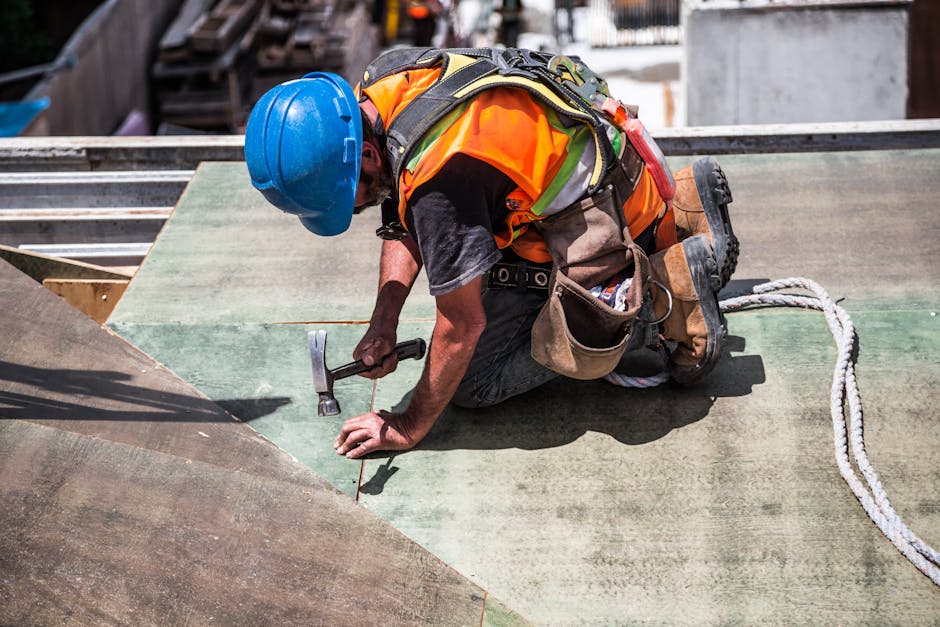 The Importance of Commercial Roof Repair in Richmond, IN: A Guide to Extending the Life of Your Building
As a commercial property owner in Richmond, IN, you understand the importance of maintaining a safe and secure building. One of the most critical components of your property is the roof, which provides protection from the elements and helps to regulate the internal temperature. However, commercial roofs are prone to damage and wear and tear, which can lead to costly repairs and even compromise the integrity of your building. In this article, we will explore the importance of commercial roof repair in Richmond, IN, and provide guidance on how to extend the life of your roof.
1. Identifying Common Roofing Issues
Before we dive into the importance of commercial roof repair, it’s essential to identify common roofing issues that can lead to costly repairs. Some of the most common issues include:
* Leaks: Leaks are one of the most common roofing issues, and they can be caused by a variety of factors, including damaged or missing shingles, worn-out flashing, and clogged gutters.
* Cracks: Cracks in the roof can be caused by settlement, shrinkage, or thermal expansion and contraction. If left unchecked, cracks can lead to further damage and even collapse.
* Curling and Buckling: Curling and buckling are common issues that can occur when the roof is exposed to extreme weather conditions, such as high winds or heavy rainfall.
* Ponding Water: Ponding water is a common issue that can occur when the roof is not properly sloped or when debris accumulates on the surface.
2. The Consequences of Neglecting Roof Repair
Neglecting commercial roof repair can have severe consequences, including:
* Water Damage: Water damage is one of the most common consequences of neglecting roof repair. Water can seep into the building, causing damage to walls, ceilings, and electrical systems.
* Mold and Mildew: Mold and mildew can grow on damp surfaces, causing health problems and unpleasant odors.
* Structural Damage: Neglecting roof repair can lead to structural damage, which can compromise the integrity of the building.
* Increased Energy Costs: A damaged roof can lead to increased energy costs, as the building’s heating and cooling systems work harder to maintain a comfortable temperature.
3. The Benefits of Commercial Roof Repair
Commercial roof repair offers numerous benefits, including:
* Extended Roof Life: Regular roof maintenance and repair can extend the life of your roof, reducing the need for costly replacements.
* Reduced Energy Costs: A well-maintained roof can help reduce energy costs by providing better insulation and reducing heat loss.
* Improved Safety: A safe and secure roof is essential for the well-being of your employees and customers.
* Increased Property Value: A well-maintained roof can increase the value of your property, making it more attractive to potential buyers or tenants.
4. How to Identify the Need for Commercial Roof Repair
Identifying the need for commercial roof repair can be challenging, especially if you’re not familiar with roofing issues. Here are some signs that indicate the need for repair:
* Leaks: If you notice water stains on the ceiling or walls, it may be a sign of a leak.
* Cracks: If you notice cracks in the roof, it’s essential to address them promptly to prevent further damage.
* Curling and Buckling: If the roof is curling or buckling, it may be a sign of wear and tear.
* Ponding Water: If you notice ponding water on the roof, it may be a sign of a drainage issue.
5. The Importance of Regular Roof Maintenance
Regular roof maintenance is essential to extend the life of your roof and prevent costly repairs. Here are some tips for regular roof maintenance:
* Inspect the Roof: Regularly inspect the roof for signs of damage, wear and tear, and debris accumulation.
* Clean the Gutters: Clean the gutters and downspouts to ensure proper drainage.
* Repair Leaks: Address leaks promptly to prevent further damage.
* Replace Damaged Shingles: Replace damaged shingles to prevent further damage.
6. The Role of a Professional Roofer
A professional roofer plays a critical role in commercial roof repair. Here are some benefits of hiring a professional roofer:
* Expertise: A professional roofer has the expertise and knowledge to diagnose and repair roofing issues.
* Equipment: A professional roofer has the necessary equipment to complete the job efficiently and effectively.
* Warranty: A professional roofer typically offers a warranty on their work, providing peace of mind for the property owner.
7. The Cost of Commercial Roof Repair
The cost of commercial roof repair can vary depending on the extent of the damage and the type of repair needed. Here are some factors that can affect the cost of commercial roof repair:
* Size of the Roof: The size of the roof can affect the cost of repair, as larger roofs require more materials and labor.
* Type of Roofing Material: The type of roofing material used can affect the cost of repair, as some materials are more expensive than others.
* Extent of Damage: The extent of the damage can affect the cost of repair, as more extensive damage requires more materials and labor.
8. How to Choose the Right Roofer
Choosing the right roofer is essential to ensure that the job is done correctly and efficiently. Here are some tips for choosing the right roofer:
* Check Credentials: Check the roofer’s credentials, including their licenses and certifications.
* Check Reviews: Check online reviews to get an idea of the roofer’s reputation and quality of work.
* Get Estimates: Get estimates from multiple roofers to compare prices and services.
9. The Importance of Commercial Roof Repair in Richmond, IN
Commercial roof repair is essential in Richmond, IN, due to the city’s harsh weather conditions. Richmond, IN, experiences extreme weather conditions, including heavy rainfall, high winds, and extreme temperatures, which can cause damage to the roof. Neglecting commercial roof repair can lead to costly repairs and even compromise the integrity of the building.
10. Conclusion
In conclusion, commercial roof repair is essential for extending the life of your building and preventing costly repairs. By identifying common roofing issues, understanding the consequences of neglecting roof repair, and following regular roof maintenance tips, you can ensure that your roof remains safe and secure. If you’re in need of commercial roof repair in Richmond, IN, be sure to choose a reputable and experienced roofer to get the job done correctly and efficiently.
5 Takeaways That I Learned About
 Civil engineering service
Hiring a professional civil engineer is a critical decision when planning any infrastructure project, whether it’s residential, commercial, or public. Civil engineers are responsible for designing, constructing, and maintaining structures and systems that serve society, such as roads, bridges, water supply networks, and buildings. Their expertise extends beyond mere construction management, offering a wide range of benefits that ensure the success and longevity of a project. Below are some of the key advantages of hiring a professional civil engineer.
1. Expertise in Planning and Design
Civil engineers possess a deep understanding of the principles of engineering, mathematics, and physics. This expertise allows them to accurately plan and design structures that meet safety standards, adhere to legal regulations, and function efficiently. Professional civil engineers can foresee potential challenges during the design phase and mitigate them, ensuring the project’s success from the start. Whether it’s ensuring proper drainage, preventing erosion, or choosing the right materials, their planning saves both time and resources in the long run.
2. Regulatory Compliance
Construction projects, particularly large-scale ones, must comply with a range of local, state, and national regulations. These regulations can be complex and vary depending on the project’s location. Professional civil engineers are familiar with these regulatory requirements and will ensure that your project meets all legal obligations. This is crucial to avoid fines, project delays, or even having to dismantle non-compliant structures. Their knowledge in zoning laws, environmental regulations, and safety standards ensures a smooth approval process with local authorities.
3. Cost-Effectiveness
While hiring a professional civil engineer may seem like an added expense, it is, in fact, a cost-effective decision. Their expertise allows for more accurate cost estimation and budgeting, reducing the likelihood of unexpected expenses during the construction phase. By anticipating and addressing issues before they arise, they prevent costly reworks or delays. In addition, their experience enables them to recommend cost-saving alternatives in terms of materials, methods, or design, without compromising the quality or integrity of the structure.
4. Risk Management
Construction projects come with inherent risks, including structural failures, environmental impacts, and safety hazards. A professional civil engineer is skilled in identifying, assessing, and mitigating these risks. They conduct detailed analyses of site conditions, environmental factors, and material properties to ensure the project can withstand natural forces such as earthquakes, floods, or strong winds. By managing risks proactively, civil engineers protect both the project and the people involved.
5. Long-Term Sustainability
Sustainability is becoming increasingly important in modern construction projects. Professional civil engineers have the expertise to design projects that are not only efficient and durable but also environmentally sustainable. They consider factors such as energy efficiency, resource management, and waste reduction in their designs. This leads to structures that have lower operational costs, minimal environmental impact, and a reduced carbon footprint. Additionally, sustainable designs often increase the value of the property and qualify for green certifications, which is a growing priority for businesses and governments alike.
6. Project Management and Supervision
Civil engineers often take on project management roles, overseeing the construction process from start to finish. They ensure that timelines are met, budgets are adhered to, and safety standards are maintained. Their supervision helps to keep the project on track and ensures high-quality work. With their technical expertise and leadership, they can quickly solve problems that arise during construction, ensuring that everything goes smoothly and efficiently.
In conclusion, hiring a professional civil engineer is essential for any construction project. Their expertise in design, risk management, and sustainability, combined with their knowledge of regulatory compliance, ensures that projects are completed on time, within budget, and to the highest standards of quality and safety.
What Do You Know About

As a homeowner in Lima, OH, you understand the importance of having a sturdy and reliable roof over your head. A roof not only provides protection from the elements but also adds to the aesthetic appeal of your property. However, even the best-maintained roofs can develop issues over time, requiring roofing repair services. In this article, we will delve into the world of roofing repair in Lima, OH, and provide you with a comprehensive guide to extending the life of your roof.
Roofing Repair: Why is it Important?
Roofing repair is crucial to maintaining the integrity and functionality of your roof. A damaged or worn-out roof can lead to a host of problems, including water damage, structural issues, and even safety hazards. Moreover, neglecting to repair your roof can result in costly repairs down the line. By addressing minor issues promptly, you can prevent more severe problems from arising and extend the life of your roof.
Common Roofing Repair Issues in Lima, OH
As a homeowner in Lima, OH, you may encounter various roofing repair issues, including:
1. Leaks: Leaks are one of the most common roofing repair issues in Lima, OH. They can occur due to damaged or missing shingles, worn-out flashing, or clogged gutters.
2. Curling or Buckling Shingles: Curling or buckling shingles can be caused by improper installation, weather damage, or wear and tear.
3. Missing or Damaged Flashing: Flashing is a crucial component of your roof, and damage or missing flashing can lead to leaks and other issues.
4. Chimney and Vent Issues: Chimneys and vents are common areas of concern for roofing repair in Lima, OH. Cracks, gaps, or damage to these areas can lead to leaks and structural issues.
5. Ice Dams: Ice dams can occur when snow melts and refreezes at the edge of your roof, causing water to back up and seep into your home.
Signs You Need Roofing Repair in Lima, OH
As a homeowner, it’s essential to be aware of the signs that indicate you need roofing repair services in Lima, OH. Some common signs include:
1. Water Stains: Water stains on your ceiling or walls can be a sign of a leaky roof.
2. Missing or Damaged Shingles: Missing or damaged shingles can expose your roof to the elements and lead to further damage.
3. Curling or Buckling Shingles: Curling or buckling shingles can be a sign of wear and tear or improper installation.
4. Granule Loss: Granule loss can be a sign of aging shingles or improper installation.
5. High Energy Bills: High energy bills can be a sign of a poorly insulated or damaged roof.
Roofing Repair Options in Lima, OH
When it comes to roofing repair in Lima, OH, you have several options to choose from, including:
1. Patching: Patching involves repairing small areas of damage or wear and tear.
2. Replacement: Replacement involves replacing entire sections of your roof, including shingles, flashing, and other components.
3. Coating: Coating involves applying a protective layer to your roof to prevent further damage.
4. Maintenance: Regular maintenance is essential to preventing roofing repair issues in Lima, OH.
Tips for Extending the Life of Your Roof
To extend the life of your roof, follow these tips:
1. Regular Maintenance: Regular maintenance is essential to preventing roofing repair issues in Lima, OH.
2. Inspect Your Roof: Inspect your roof regularly for signs of damage or wear and tear.
3. Clean Your Gutters: Clean your gutters and downspouts regularly to ensure proper water flow.
4. Trim Trees: Trim trees and shrubs to prevent branches from damaging your roof.
5. Install a Roofing Underlayment: Installing a roofing underlayment can provide an extra layer of protection against water damage.
Conclusion
Roofing repair in Lima, OH is a crucial aspect of maintaining the integrity and functionality of your roof. By understanding the common issues, signs, and options for roofing repair, you can extend the life of your roof and prevent costly repairs down the line. Remember to prioritize regular maintenance, inspect your roof regularly, and address minor issues promptly to ensure your roof remains in top condition.
What Do You Know About
When it comes to renovating your home, it’s essential to have a clear understanding of the process, from planning to execution. As a homeowner in Westwood, MA, you’re likely looking for a seamless and stress-free experience that meets your unique needs and budget. In this article, we’ll take you through the ins and outs of home remodels in Westwood, MA, providing valuable insights and tips to help you achieve your dream home.
Before You Begin: Understanding the Remodeling Process
Before diving into the nitty-gritty of home remodels, it’s crucial to understand the remodeling process. A typical home remodel involves several stages, including planning, design, permitting, construction, and final inspections. Each stage requires careful planning, attention to detail, and effective communication between you, your contractor, and local authorities.
Planning Your Home Remodel
The first step in any home remodel is planning. This involves identifying your goals, assessing your budget, and determining the scope of the project. Take the time to think about what you want to achieve with your remodel. Do you want to increase your home’s value, improve its functionality, or simply update its aesthetic appeal? Make a list of your priorities and discuss them with your contractor to ensure everyone is on the same page.
Designing Your Home Remodel
Once you have a clear understanding of your goals and budget, it’s time to start designing your home remodel. This is where you’ll work closely with your contractor to create a detailed plan and design for your project. From selecting materials and fixtures to designing custom cabinetry and countertops, every aspect of your remodel should be carefully considered.
Permitting and Inspections
Before construction can begin, you’ll need to obtain the necessary permits from your local authorities. This includes permits for electrical, plumbing, and structural work, as well as any other relevant permits required by your town or city. Your contractor should handle this process for you, but it’s essential to understand the importance of permits and inspections in ensuring your remodel meets local building codes and regulations.
Construction and Timeline
With permits in hand, it’s time to start construction. This is the most exciting part of the process, as you’ll finally see your design come to life. Your contractor will work tirelessly to complete your project on time and within budget, but it’s essential to understand that delays can occur. Be prepared for unexpected setbacks and communicate openly with your contractor to resolve any issues that may arise.
Finishing Touches
Once construction is complete, it’s time to add the finishing touches to your home remodel. This includes installing fixtures, painting walls, and installing flooring. Your contractor should handle these tasks, but it’s essential to inspect each area carefully to ensure everything meets your expectations.
Budgeting for Your Home Remodel
Budgeting is a critical aspect of any home remodel. It’s essential to set a realistic budget and stick to it to avoid financial stress and disappointment. Consider factors such as materials, labor, and permits when calculating your budget. Your contractor should provide you with a detailed breakdown of costs, but it’s essential to understand the importance of budgeting and planning in ensuring a successful remodel.
Tips for a Stress-Free Home Remodel
Renovating your home can be a stressful experience, but there are several tips to help make the process smoother. Communicate openly with your contractor, ask questions, and don’t be afraid to seek advice. Keep a record of all correspondence, including emails, phone calls, and meetings. Finally, be prepared for unexpected setbacks and remain flexible throughout the process.
Conclusion
Renovating your home is a significant investment, but with careful planning, attention to detail, and effective communication, you can achieve your dream home. By understanding the remodeling process, planning your project, designing your space, and budgeting for your remodel, you’ll be well on your way to a stress-free and successful home remodel. Remember to communicate openly with your contractor, ask questions, and remain flexible throughout the process. With these tips and a clear understanding of the remodeling process, you’ll be able to create a beautiful and functional home that meets your unique needs and budget.
Learning The Secrets About
The Importance of Commercial Roof Repair in Richmond, IN
As a business owner in Richmond, IN, you understand the importance of maintaining a safe and functional commercial building. One of the most critical components of your property is the roof, which provides protection from the elements and helps to regulate the internal temperature. However, commercial roofs are prone to damage and wear and tear, which can lead to costly repairs and even business disruptions. In this article, we will explore the importance of commercial roof repair in Richmond, IN, and provide guidance on how to identify and address common issues.
1. Preventing Water Damage
Water damage is one of the most common and costly issues that can arise from a damaged commercial roof. When water seeps into the building, it can cause significant damage to the structure, electrical systems, and equipment. In addition, water damage can lead to mold growth, which can pose serious health risks to occupants. Regular roof inspections and prompt repairs can help to prevent water damage and ensure the integrity of your building.
2. Extending the Life of Your Roof
Commercial roofs are designed to last for many years, but they require regular maintenance to extend their lifespan. Neglecting to repair damaged or worn-out roofing materials can lead to premature failure, which can result in costly replacements. By addressing issues promptly, you can extend the life of your roof and avoid the expense of premature replacement.
3. Reducing Energy Costs
A damaged or poorly maintained commercial roof can lead to energy inefficiencies, which can increase your energy costs. When the roof is damaged, it can allow heat to escape, leading to higher heating bills in the winter and higher cooling bills in the summer. Regular roof inspections and repairs can help to ensure that your roof is functioning properly, reducing your energy costs and improving your bottom line.
4. Enhancing Safety
A damaged commercial roof can pose serious safety risks to occupants and visitors. When the roof is compromised, it can collapse, causing injury or even death. Regular inspections and repairs can help to identify and address potential safety hazards, ensuring a safe and secure environment for everyone.
5. Protecting Your Business
A damaged commercial roof can have significant consequences for your business. When the roof is compromised, it can lead to business disruptions, lost productivity, and even damage to your reputation. By addressing issues promptly, you can minimize the impact on your business and ensure that your operations continue uninterrupted.
6. Identifying Common Issues
There are several common issues that can arise with commercial roofs, including:
* Cracks and splits in the roofing material
* Damaged or missing flashing
* Loose or missing shingles
* Clogged drains and gutters
* Punctures and tears in the roofing membrane
Regular inspections can help to identify these issues before they become major problems.
7. Addressing Common Issues
When addressing common issues with your commercial roof, it’s essential to prioritize the most critical problems first. For example, if you have a leak in the roof, it’s essential to address it promptly to prevent further damage. Here are some steps you can take to address common issues:
* Cracks and splits: Seal the cracks and splits with a suitable sealant to prevent further damage.
* Damaged or missing flashing: Replace the flashing to ensure that water cannot seep into the building.
* Loose or missing shingles: Replace the shingles to ensure that the roof is watertight.
* Clogged drains and gutters: Clean the drains and gutters to ensure that water can flow freely.
* Punctures and tears: Repair the punctures and tears with a suitable patching material.
8. Choosing the Right Repair Method
When addressing issues with your commercial roof, it’s essential to choose the right repair method. Here are some factors to consider:
* The type of roofing material: Different roofing materials require different repair methods. For example, asphalt shingles may require a different repair method than metal roofing.
* The extent of the damage: The extent of the damage will determine the type of repair method required. For example, a small puncture may require a simple patch, while a large tear may require a more extensive repair.
* The weather: The weather can impact the type of repair method required. For example, if the roof is damaged during a storm, it may be necessary to address the issue promptly to prevent further damage.
9. Hiring a Professional
When addressing issues with your commercial roof, it’s essential to hire a professional. A professional roofer has the training, experience, and equipment to address complex roofing issues and ensure that your roof is functioning properly. Here are some benefits of hiring a professional:
* Expertise: A professional roofer has the expertise to diagnose and address complex roofing issues.
* Equipment: A professional roofer has the equipment to perform complex repairs and ensure that the roof is functioning properly.
* Warranty: A professional roofer may offer a warranty on their work, providing peace of mind and protection for your investment.
10. Regular Maintenance
Regular maintenance is essential to extend the life of your commercial roof and prevent costly repairs. Here are some tips for regular maintenance:
* Inspect the roof regularly: Regular inspections can help to identify and address issues before they become major problems.
* Clean the roof: Regular cleaning can help to remove debris and prevent damage to the roofing material.
* Trim trees and shrubs: Trimming trees and shrubs can help to prevent damage to the roof and ensure that water can flow freely.
In conclusion, commercial roof repair in Richmond, IN is essential to prevent costly repairs, extend the life of your roof, reduce energy costs, enhance safety, and protect your business. By identifying and addressing common issues, choosing the right repair method, hiring a professional, and performing regular maintenance, you can ensure that your commercial roof is functioning properly and providing a safe and secure environment for everyone.